
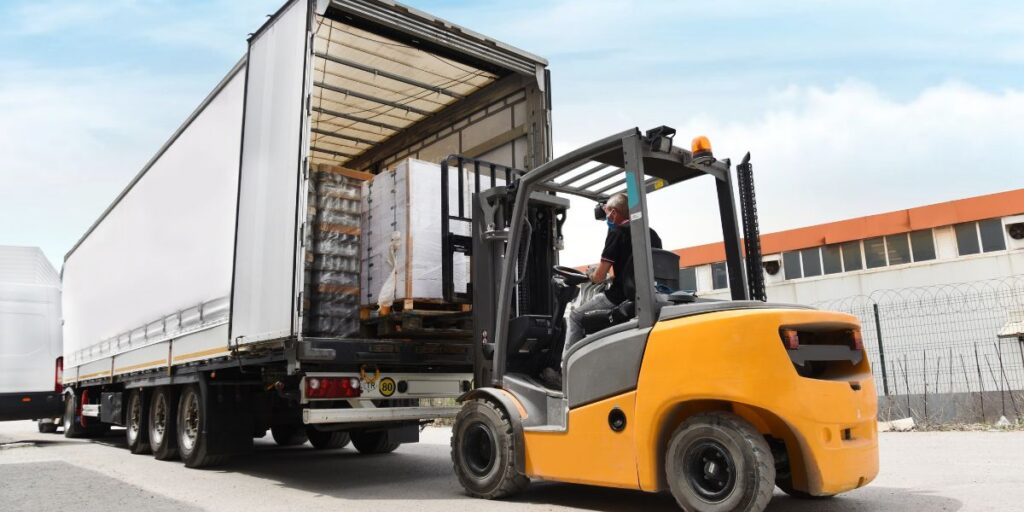
When comparing FTL vs LTL, the biggest difference is simple: FTL (Full Truckload) uses an entire truck for one shipment, while LTL (Less-Than-Truckload) combines freight from multiple shippers on the same truck. Choosing the right option depends on shipment size, budget, delivery timeline, and product requirements.
Whether you’re shipping ingredients, bakery supplies, foodservice products, or packaged goods, understanding FTL vs LTL can help you reduce transportation costs and improve delivery performance.
What Is FTL Shipping?
FTL, or Full Truckload shipping, means a single shipper reserves the entire trailer for their freight. The shipment typically moves directly from the pickup location to the destination with few or no stops along the way.
Benefits of FTL Shipping
- Faster transit times
- Less handling during transport
- Lower risk of damage
- Greater shipment security
- More predictable delivery schedules
FTL is often the best choice for large shipments, time-sensitive freight, or products that require extra care during transportation.
When Should You Use FTL?
Consider FTL when:
- Shipping 10-12 pallets or more
- Moving high-value products
- Delivering fragile items
- Working with strict delivery deadlines
- Shipping temperature-sensitive goods
Because the truck is dedicated to one shipment, FTL provides a more direct and controlled transportation process.
What Is LTL Shipping?
LTL, or Less-Than-Truckload shipping, allows multiple companies to share space on the same trailer. Each shipper pays only for the portion of the trailer their freight occupies. This model helps businesses move smaller shipments without paying for a full truck.
Benefits of LTL Shipping
- Lower transportation costs for smaller shipments
- Better use of available trailer space
- Flexible shipping options
- Ideal for smaller order quantities
For many businesses, LTL provides a cost-effective solution when freight volumes do not justify an entire trailer.
When Should You Use LTL?
LTL is often the right choice when:
- Shipping fewer than 10 pallets
- Managing smaller order volumes
- Looking to reduce freight costs
- Delivery timing is flexible
- Freight does not require special handling
Businesses that ship regularly but in smaller quantities often benefit from the savings offered by LTL transportation.
FTL vs LTL: Key Differences
While both shipping methods move freight from one location to another, they serve different purposes.
Cost
LTL shipping is usually more affordable for smaller shipments because multiple businesses share the transportation cost. FTL typically has a higher upfront cost since one shipment occupies the entire trailer.
While cost is often a major factor when comparing FTL and LTL, transportation expenses can vary based on freight class, distance, fuel prices, and other market conditions.
Transit Time
FTL shipments often arrive faster because they travel directly to their destination with fewer stops. LTL shipments may take longer since freight is transferred and delivered alongside shipments from other companies.
Freight Handling
FTL freight is loaded once and unloaded once in most cases. LTL freight is handled more frequently as it moves through distribution terminals, which can increase the chance of damage.
Shipment Size
LTL works well for smaller shipments that don’t require an entire trailer. FTL is generally the better option when shipping larger quantities or multiple pallets that take up a significant portion of a truck. In some cases, businesses can reduce transportation costs by consolidating multiple smaller shipments into larger loads, improving trailer utilization and shipping efficiency.
Product Protection
Because FTL freight stays on one truck throughout most of its journey, there is typically less risk of damage. LTL freight may be loaded and unloaded multiple times before reaching its final destination. Regardless of the shipping method, working with qualified carriers helps ensure freight is handled safely and transported reliably from pickup to delivery.
Flexibility
LTL provides flexibility for businesses that need to ship smaller quantities on a regular basis. FTL offers more control over scheduling and delivery timelines for larger shipments.
Which Option Is Better for Food and Ingredient Transportation?
Food manufacturers, bakeries, distributors, and food service operators often have unique transportation requirements. Product integrity, shelf-life, and delivery schedules can all affect shipping decisions.
FTL May Be Best For:
- Large ingredient orders
- Full pallet shipments
- Frozen or refrigerated products
- Time-sensitive deliveries
- Seasonal demand surges
LTL May Be Best For:
- Smaller replenishment orders
- Testing new products in a market
- Routine shipments with flexible delivery windows
- Businesses managing lower inventory levels
Choosing the right transportation mode can help balance cost savings with service requirements.
Questions to Ask Before Choosing FTL or LTL
Before booking freight, consider the following questions:
- How many pallets am I shipping?
- How quickly does the shipment need to arrive?
- Is the product fragile or sensitive to movement?
- What is my transportation budget?
- Can the shipment be consolidated?
- Are there special handling requirements?
Answering these questions will help identify the most practical shipping solution.
FTL vs LTL Depends on Your Shipping Needs
When evaluating FTL vs LTL, there is no one-size-fits-all answer. FTL offers faster transit times, dedicated trailer space, and reduced handling, making it ideal for larger or time-sensitive shipments. LTL provides cost savings and flexibility for smaller freight loads that do not require a full truck.
The best choice depends on shipment size, delivery requirements, product sensitivity, and budget. By understanding the differences between FTL vs LTL, businesses can make informed transportation decisions that support both operational efficiency and customer satisfaction.

Every shipment is different. If you’re weighing the benefits of FTL vs LTL, Valley’s transportation experts can help you choose the most efficient option for your business. Contact us to learn more about available shipping solutions.