
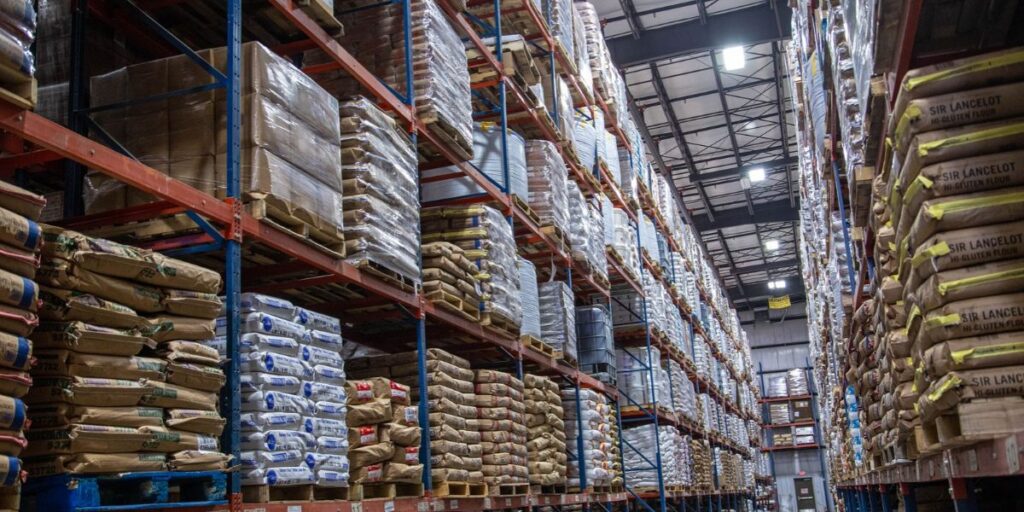
Warehouse storage solutions can make the difference between an organized, efficient operation and a warehouse that feels crowded, slow, and hard to manage. If your team is running out of usable space, spending too much time finding products, or struggling to keep inventory moving safely, it may be time to review your current storage setup and consider a better solution.
The right storage approach is not only about adding more square footage. It is about using available space well, keeping products accessible, and supporting a smoother flow from receiving to storage to shipping. Watch for these five signs that your warehouse may be ready for a change.
1. Your Warehouse Is Running Out of Usable Storage Space
One of the clearest signs is a warehouse that always feels full. Pallets may be placed in temporary areas, aisles may feel tighter, or teams may have trouble finding open locations for incoming inventory. Even if the building still has some empty space, that space may not be usable because the current layout or racking does not support the products you need to store.
Common signs of a space problem include:
- Pallets regularly waiting for an open storage location
- Inventory stored in areas that were not designed for long-term storage
- Frequently moving products just to reach other products
- Unused vertical space above existing racks or shelving
- Seasonal inventory creating major space shortages
Better warehouse storage solutions can help you look at cubic space, not just floor space. A more effective layout may use vertical capacity, different rack types, or more flexible storage zones so the same building can support more inventory without becoming difficult to work in.
2. Employees Spend Too Much Time Finding or Moving Inventory
Storage should make work easier. When employees spend extra time searching for a pallet, moving one item to reach another, or walking long distances between common pick locations, the storage system may be creating unnecessary work.
These delays can seem small, but they add up over a full shift. A storage layout that matches product movement can reduce unnecessary handling. Fast-moving inventory may need to be located closer to picking and shipping areas, while slower-moving goods can often be stored farther away. Clear locations and consistent organization also make it easier for team members to know where products belong.
If your warehouse has grown over time without a clear storage plan, reviewing warehouse storage solutions can help create a layout that supports how inventory actually moves through your operation today.
3. Inventory Damage or Safety Concerns Are Becoming More Common
Crowded or poorly matched storage can raise the risk of damaged goods and unsafe working conditions. Products may be stacked in ways that make them harder to access, pallets may be placed where they can be bumped by equipment, or aisles may become blocked by overflow inventory.
Storage problems may be affecting safety or product protection when you see:
- Damaged cartons, pallets, or products during storage and handling
- Inventory extending into normal travel paths
- Loads stored on racks that are not well suited to their size or shape
- Frequent restacking or repositioning of products
- Difficulty maintaining clear and orderly work areas
A better storage strategy should consider the product, pallet type, handling equipment, load size, and how often the inventory moves. For food products, there are also additional factors to consider when evaluating food-grade warehousing, including temperature requirements, facility maintenance, and inventory management. Storage systems should also be used within their rated capacity and maintained according to applicable safety requirements.
4. Your Current Storage System Does Not Fit Changes in Inventory
Warehouses rarely stay the same. Your business may add new product sizes, carry more seasonal inventory, increase the number of stock keeping units, or serve customers with different order patterns. A storage system that worked several years ago may no longer match what the warehouse handles today.
As those needs change, a location designed mainly for full-pallet storage may become less efficient when handling more mixed products or smaller order quantities. Rapid growth can also make older, fixed layouts harder to adjust as inventory levels change.
Flexible warehouse storage solutions can help the facility adapt. Depending on the operation, that may include selective pallet racking, shelving, higher-density storage, defined overflow areas, or a combination of systems. The best choice depends on inventory characteristics and how products enter, move through, and leave the building.
5. Warehouse Growth Is Creating Bottlenecks
As your warehouse grows, your storage needs can change quickly. More inventory can mean busier receiving areas, longer picking routes, and less room for outbound shipments. When the current layout cannot keep up, bottlenecks can start to affect the flow of products through the warehouse.
Growth-related bottlenecks can include:
- Receiving areas filling faster than inventory can be put away
- Picking routes becoming longer or more congested
- Shipping areas being used as temporary storage
- More frequent moves between storage locations
- Difficulty making room for new customers, products, or seasonal demand
When these issues become routine, simply asking employees to work around them is not a long-term answer. Reviewing the warehouse layout and storage strategy can help determine whether existing space can be used more effectively or whether additional storage capacity is needed.
What to Look for in Better Warehouse Storage Solutions
Once you recognize the signs, start by looking at how your warehouse operates rather than choosing a rack or storage system first. A useful assessment should consider inventory volume, pallet and product dimensions, turnover rates, picking methods, handling equipment, building height, aisle requirements, and future growth.
A strong storage plan should help you:
- Use floor and vertical space more effectively
- Keep frequently moved inventory easy to reach
- Reduce unnecessary product handling and travel
- Support safe, clear work areas
- Adjust to changes in inventory and demand
- Create a more predictable flow from receiving through shipping
There is no single storage system that is right for every warehouse. In many operations, a combination of storage methods works best because different products have different space and access needs.
Know When It Is Time to Reevaluate Your Warehouse
If your warehouse is crowded, inefficient, difficult to navigate, or struggling to keep up with growth, your current storage setup may be holding the operation back. Better warehouse storage solutions can help make more effective use of available space, improve inventory access, reduce unnecessary handling, and support safer day-to-day work.

The best time to review your storage strategy is before space and workflow problems become constant challenges. If your current setup is no longer keeping up with your operation, talk to our team about warehouse storage solutions that can give you the space and flexibility you need.
