
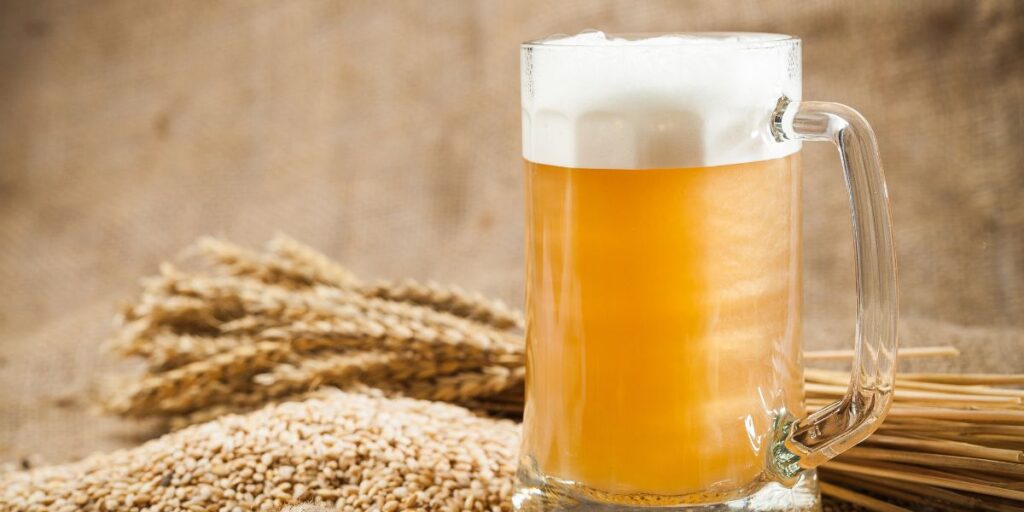
How long does beer stay fresh? While the answer varies by beer style, most beers begin to lose some of their intended flavor and aroma over time. One of the biggest reasons for this change is oxidation, a natural process that can cause beer to lose freshness and develop stale flavors.
Understanding how oxidation works can help brewers, distributors, and beer drinkers better protect beer quality from the brewery to the glass.
What Causes Beer to Lose Freshness?
Beer is made up of many compounds that create its flavor, aroma, appearance, and overall drinking experience. Over time, some of these compounds react with oxygen. This process is known as oxidation.
As oxidation occurs, fresh flavors begin to fade. Hoppy beers may lose their bright aroma, while malt-forward beers can develop flavors that taste stale or dull. In some cases, oxidation can also weaken foam retention, changing the beer’s appearance and quality.
Brewers work hard to limit oxygen exposure throughout the brewing and packaging process. However, oxidation can still occur during storage, transportation, and even after the beer reaches store shelves.
Why Oxidation Matters
Oxidation is one of the main reasons beer changes as it ages. Research has shown that oxidation can begin early in the brewing process and continue throughout a beer’s life cycle.
Common signs of oxidation include:
- Loss of fresh aromas
- Less vibrant flavor
- Stale or papery notes
- Poor foam retention
- A flatter overall drinking experience
This is why fresh beer often tastes noticeably different from the same beer several months later.
How Barley Impacts Beer Freshness
Many people think of oxygen exposure as the only cause of oxidation. However, research has found that certain compounds naturally found in barley can also contribute to the process.
Barley contains naturally occurring fats, also known as lipids. These lipids play an important role during brewing, but they can also contribute to flavor changes as beer ages. The ingredients used in brewing play a significant role in shaping a beer’s flavor, aroma, and overall quality, making ingredient selection an important consideration for breweries focused on freshness.
Scientists have identified an enzyme called lipoxygenase, often shortened to LOX, that helps drive some of these oxidation reactions. As a result, researchers and brewery experts have spent years looking for ways to reduce the impact of LOX on beer freshness.
How LOXless Malt Helps Reduce Oxidation
One promising development is the use of LOXless malt.
LOXless malt is produced from barley varieties that have significantly lower levels of lipoxygenase activity. By reducing this enzyme, brewers can limit some of the oxidation pathways that contribute to stale flavors. According to Beer & Brewing’s article, “A Nightmare on LOX Street,” beers brewed with LOXless malt have shown improved freshness and flavor stability during storage.
Studies have shown several potential benefits of LOXless malt, including:
- Improved flavor stability
- Fresher aroma and flavor for longer
- Longer-lasting freshness
- Stronger foam performance
- Reduced development of stale flavors during storage
LOXless malt does not completely stop oxidation, but it can help slow the process and support better beer quality over time.
Proper Storage Still Matters
Even with advances in barley breeding and malt production, proper storage remains important.
Brewers use many strategies to protect beer freshness, including:
- Reducing oxygen exposure during brewing and packaging
- Using high-quality raw materials
- Maintaining proper cold storage
- Limiting temperature fluctuations during transportation
- Monitoring product age throughout distribution
These practices work together to help beer reach consumers with the flavor profile the brewer intended.
How Long Does Beer Stay Fresh?
So, how long does beer stay fresh? There is no one-size-fits-all answer. Freshness depends on factors such as beer style, packaging, storage conditions, and how much oxygen the beer is exposed to over time.
In general, beer stays fresher longer when it is stored cold and protected from oxygen. Heat and temperature fluctuations can speed up oxidation, causing flavors and aromas to fade more quickly. Some styles, especially hop-forward beers, may show signs of aging sooner than others.
Because freshness is such an important part of beer quality, breweries continue to look for ways to slow oxidation. Innovations such as LOXless malt, along with proper brewing, packaging, and storage practices, can help beer maintain its intended flavor and aroma for longer.
Supporting Beer Freshness Through Better Ingredients
As breweries continue looking for ways to extend shelf life and maintain product quality, ingredients such as LOXless malt are becoming an important part of the conversation. Combined with strong brewing and storage practices, these innovations can help support better flavor stability and a fresher beer experience.
To learn more about malt solutions that support beer quality, contact us today!
