
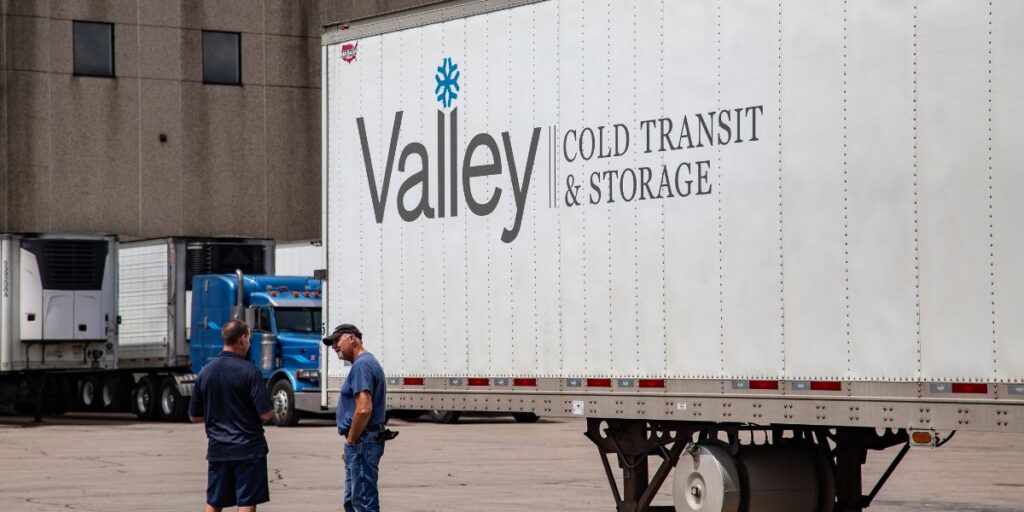
Temperature controlled logistics help protect food quality during transit. When food products are shipped at the correct temperature, they stay safer, fresher, and last longer. Poor temperature management during transportation can lead to spoilage, texture changes, freezer burn, melting, and food safety risks. For bakeries, food manufacturers, and distributors, maintaining proper temperatures throughout the logistics process is an important part of delivering quality products to customers.
How Temperature Changes Affect Food Quality
Food products can quickly lose quality when temperatures change during transit. Frozen foods may begin to thaw, while refrigerated products can become unsafe if they get too warm.
Temperature changes can affect:
- Texture
- Flavor
- Appearance
- Consistency
- Product stability
These temperature changes can damage both frozen and refrigerated products. Frozen bakery items can develop ice crystals or freezer burn when temperatures rise and fall during shipping. Refrigerated foods may also lose freshness or spoil faster when they are not stored correctly.
The Link Between Temperature Controlled Logistics and Food Safety
Temperature controlled logistics are also important for food safety. Harmful bacteria can grow when foods are stored outside safe temperature ranges for too long. FDA food safety regulations also require proper handling and temperature management for many refrigerated and frozen food products.
Cold foods should stay cold throughout the transportation process. This includes:
- Storage before shipping
- Loading and unloading
- Delivery transit
- Final delivery
Working with FDA-compliant storage and transportation providers can help businesses maintain food safety standards and reduce the risk of spoilage, recalls, or damaged products. Keeping products at proper temperatures also helps protect product quality during transit.
Common Risks During Food Transit
There are many factors that can affect food quality during transportation.
Some common risks include:
- Delayed deliveries
- Equipment failure
- Frequent trailer door openings
- Incorrect storage temperatures
- Poor trailer insulation
- Extreme outdoor temperatures
Even short temperature changes can impact sensitive products such as frozen desserts, dough products, dairy items, and baked goods.
How Temperature Impacts Shelf Life and Freshness
Proper temperature control helps food products stay fresh for longer periods of time. Stable temperatures help protect shelf life and reduce unnecessary product waste during transportation and storage.
Poor temperature management can lead to:
- Shorter shelf life
- Increased product waste
- Higher replacement costs
- Customer complaints
- Inconsistent product quality
For wholesale food distributors and bakeries, maintaining shelf life is important because it helps improve product consistency, reduce waste, and supports customer satisfaction.
Challenges in Transporting Frozen and Refrigerated Foods
Frozen and refrigerated foods require careful handling during every step of transit. These products are more sensitive to temperature changes than shelf-stable items.
Some common transportation challenges include:
- Long shipping distances
- Seasonal weather changes
- Loading dock temperature exposure
- Equipment maintenance issues
- Delivery schedule delays
Businesses that ship frozen bakery products, desserts, or refrigerated ingredients must work to maintain consistent temperatures from start to finish.
The Importance of Cold Chain Management
Cold chain management is the process of keeping temperature-sensitive products within safe temperature ranges during storage and transportation. Proper warehouse storage practices, including cold, dry, and flexible storage solutions, also play an important role in maintaining product quality throughout the supply chain.
A strong cold chain process helps:
- Maintain food quality
- Improve food safety
- Protect shelf life
- Reduce product loss
- Support customer satisfaction
Temperature control should be monitored throughout the entire supply chain to help prevent problems before products reach customers.
Best Practices for Maintaining Proper Transit Temperatures
Businesses can improve temperature control during transit by following a few best practices.
These include:
- Using properly maintained refrigerated trailers
- Monitoring trailer temperatures regularly
- Limiting trailer door openings
- Loading products quickly and efficiently
- Training employees on proper handling procedures
- Scheduling regular equipment inspections
Small improvements in transportation practices can help protect food quality and reduce unnecessary waste.
How Temperature Monitoring Helps Prevent Product Loss
Temperature monitoring systems help businesses track conditions during transportation. Many companies use digital monitoring tools that provide real-time temperature data. Working with transportation providers that use efficient logistics consolidation programs can also help reduce unnecessary transit time and product loss.
These systems can help businesses:
- Identify temperature problems quickly
- Improve transportation efficiency
- Reduce spoiled products
- Maintain product consistency
- Support food safety compliance
Monitoring temperatures throughout transit gives businesses better control over product quality.
Why Reliable Transportation Partners Matter
Reliable transportation partners help maintain temperature controlled logistics during food transit. Experienced transportation providers understand how to handle frozen and refrigerated products safely. Businesses that work with providers offering temperature controlled transportation services can better protect product quality throughout delivery.
Working with trusted transportation partners can help businesses:
- Deliver products on time
- Maintain product quality
- Reduce shipping risks
- Improve customer satisfaction
- Support long-term supply chain reliability
Choosing the right logistics and transportation partners is an important step in protecting food products during delivery.
Maintaining Food Quality Starts with Temperature Controlled Logistics
Temperature controlled logistics are one of the most important parts of maintaining food quality during transit. Proper temperature management helps protect freshness, support food safety, extend shelf life, and reduce product loss. Businesses that use strong temperature controlled logistics practices can improve product quality and provide better service throughout the food supply chain.
At Valley Cooperative Association, we understand how temperature controlled logistics help protect food quality across the supply chain. Contact us today to learn how our distribution and transportation solutions can help maintain freshness, support food safety, and deliver consistent product quality from transit to delivery.
